How to Measure SEO ROI
SEO is an investment, so you should know what it's returning. Here's how to measure it without drowning in vanity metrics.
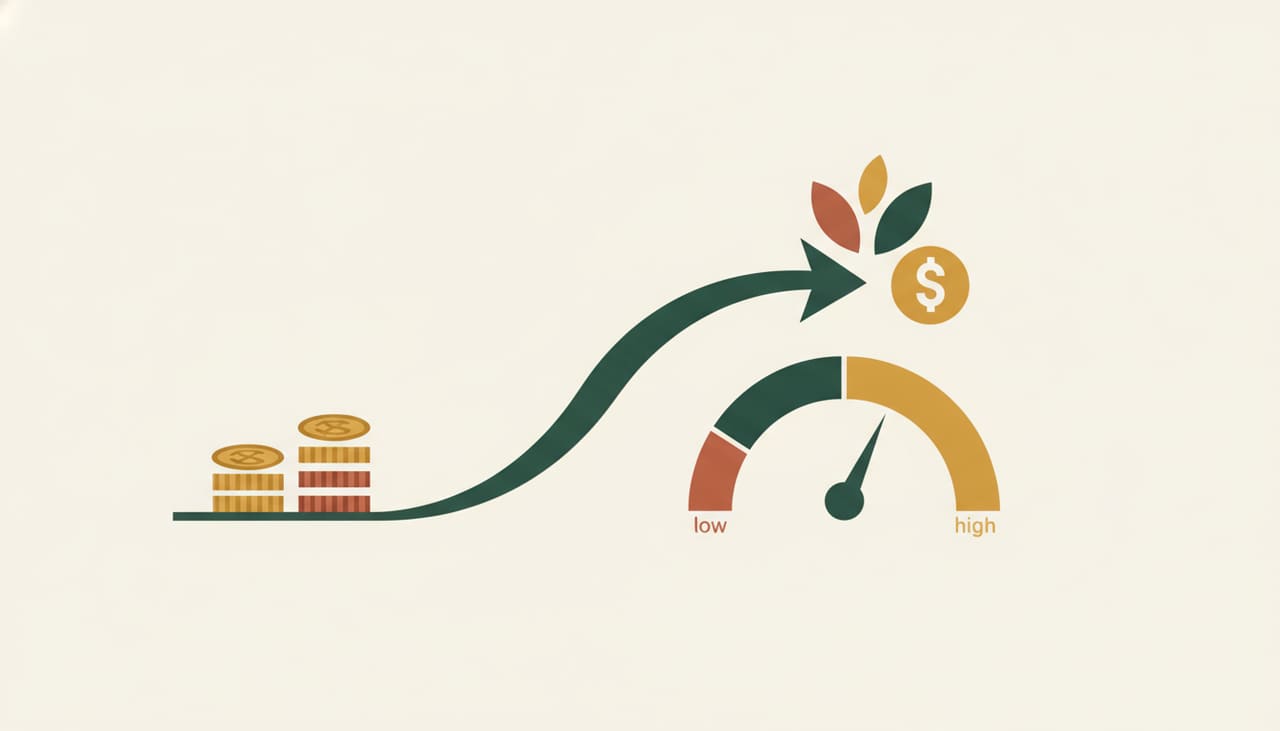
SEO costs money, so you deserve to know what it's giving back. The problem is most reports bury the answer under vanity metrics that look impressive and mean little. Here's how to measure SEO the way a business owner should — by what it does to your phone, your calendar, and your revenue.
Start with the metrics that actually matter
The metrics tied to money are the ones worth watching: leads (calls, form fills, bookings), where those leads came from, how many became customers, and the revenue they produced. If your SEO is working, those numbers climb over time. Everything else is context.
The vanity metrics to mostly ignore
Impressions, total keywords, and raw traffic feel good but don't pay the bills. A page can rank for hundreds of terms and produce zero customers. Traffic only matters if it's the right traffic — people searching for what you sell, in the area you serve. Judge SEO by qualified leads, not raw numbers.
Track your leads properly
You can't measure what you don't capture. Set up call tracking, mark form submissions as conversions, and ask new customers how they found you. Without lead tracking, you're guessing. With it, you can see exactly which pages and searches bring real business.
Do the simple ROI math
The calculation doesn't need to be complicated. Take the revenue from SEO-driven customers over a period, subtract what you spent on SEO, and compare. Because a ranking keeps working month after month without paying per click, SEO's return compounds — this month's rankings keep producing next month for free.
Give it a fair timeline
SEO isn't a paid ad that turns on today. Meaningful results usually take three to six months to build, then compound. Judging ROI after a few weeks is like weighing a plant you just planted. Measure the trend across months, not days.
Measured honestly, local SEO is often one of the highest-return investments a business can make — but only if you track the right things. Watch leads and revenue, ignore the vanity dashboards, and give it time to compound.
Key takeaways
- Measure SEO by leads and revenue, not impressions or raw traffic.
- Set up call and form tracking so leads are actually captured.
- SEO's return compounds — rankings keep working without per-click cost.
- Judge ROI across months, not days.
Why trust this guide
Advice from a team that does this every day.
Scottsdale SEO Company is the Scottsdale brand of Salterra, a digital agency led by Terry Samuels — an SEO speaker and conference founder. Our team has 14 years in search and 300+ five-star reviews, earned as Salterra.
Meet the team- 14 years of hands-on SEO
- 300+ five-star reviews · 4.8★ average
- No lock-in contracts, ever
- Plain-English reporting every month
Good questions
Frequently asked
Related reading
Related pages.
Ready when you are
Want to see what SEO is really returning for you?
See exactly what we do and what it costs — or tell us about your business and we’ll send back a plan with a straight-up price. No contracts, no pressure.
(480) 613-3135